What Happens to the SRS Module During a Collision
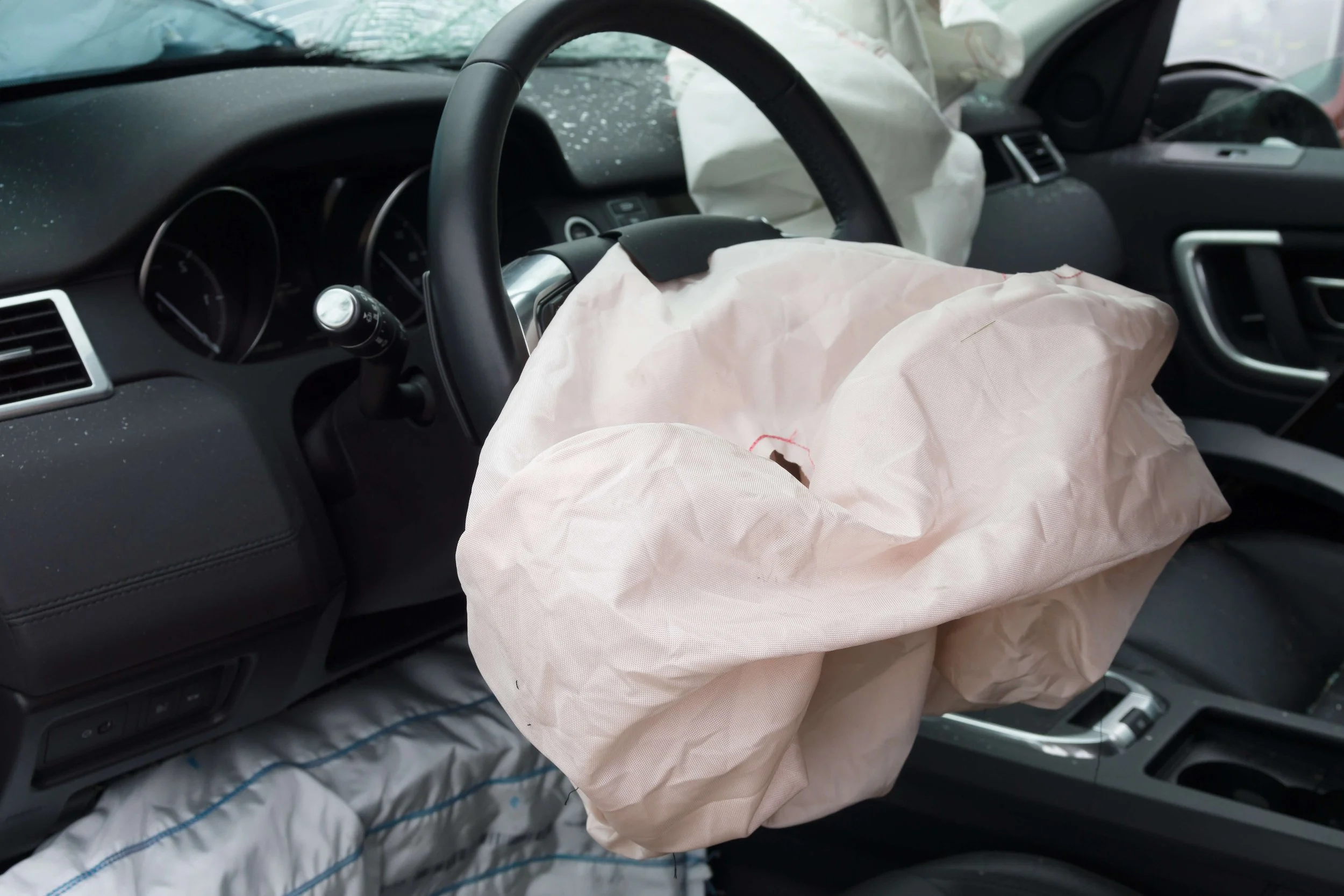
Why Safety Systems Change the Moment an Accident Occurs
When a vehicle is involved in a collision, many drivers assume the visible damage tells the whole story. In reality, the most important changes often happen electronically, deep inside the vehicle’s safety systems.
One of the first components affected is the SRS airbag control module.
How the SRS Module Interprets a Crash
During a collision, sensors throughout the vehicle send rapid-fire data to the SRS module. Within milliseconds, the module evaluates:
Direction of impact
Severity of deceleration
Occupant presence and position
Seat belt engagement
Based on this information, it decides whether airbags deploy, belts tighten, or systems remain inactive.
This decision is permanent for that crash event.
Why the Module Becomes Locked After Impact
Once the SRS module records a qualifying collision, it stores crash data internally. This data is protected and intentionally locked by the manufacturer.
This lock exists for safety reasons:
It prevents reused crash data from affecting future decisions
It ensures system integrity after a deployment or impact
It signals that the vehicle experienced a safety-relevant event
As a result, the airbag or SRS warning light often remains illuminated even after physical repairs are completed.
Why Clearing a Light Isn’t the Same as Fixing the System
An illuminated SRS light is not simply a dashboard annoyance. It is a system alert indicating that the safety module has recorded an event and may no longer function as designed.
Clearing codes without properly addressing the stored crash data does not restore full safety capability. In some cases, it can mask deeper issues that prevent airbags or seat belts from activating in a future accident.
The Overlooked Step in Collision Recovery
Many vehicles in Houston leave body shops looking visually repaired but electronically incomplete. Paint may be flawless and panels aligned, yet the safety system remains compromised.
This gap exists because SRS module handling requires specialized tools, data knowledge, and safety-specific expertise separate from general collision repair.
Why Specialized Safety Repair Matters
At DNA Safety Repair, the focus is exclusively on restoring vehicle safety systems to proper operational status. That means:
Addressing stored crash data correctly
Verifying system readiness
Ensuring warning indicators reflect true system health
This specialized approach protects drivers, passengers, and insurers alike by ensuring the vehicle’s safety systems are genuinely functional, not just visually cleared.
Moving Forward With Confidence
After an accident, knowing what happened to your SRS module helps you avoid incomplete repairs and hidden risks. If your vehicle shows an airbag or SRS warning light following a collision, having the system evaluated by a safety-focused specialist ensures the vehicle is truly ready to protect you again.
DNA Safety Repair located in the north side of Houston, Tx near bush airport exists for that exact purpose quietly restoring the systems that matter most when it counts. For a highly trusted collision center in houston that specializes in body work check out DNA Collision Center.

Send us your airbag module to erase crash data hard codes and turn off the airbag light.* Don't spend hundreds of dollars buying a replacement. Save money and time by mailing us your airbag control module. Once your ACM is received, our experts will reset the airbag control module, and erase hard codes. We work with most makes and models.
How It Works:
Complete the checkout process
Safely remove your airbag module, and ship it to us or drop it off at our shop
Our technicians will reset your airbag module and send it back within 1 business day
Safely install it back in your vehicle and you're all done!
After checkout, ship your airbag module to: 14109 Aldine Westfield Rd. Suite F. Houston Tx. 77039
You are purchasing a service, not an actual product
Please contact us before purchasing if your vehicle is older than 2005